Replete Energy
Green methanol for shipping, made from city waste.
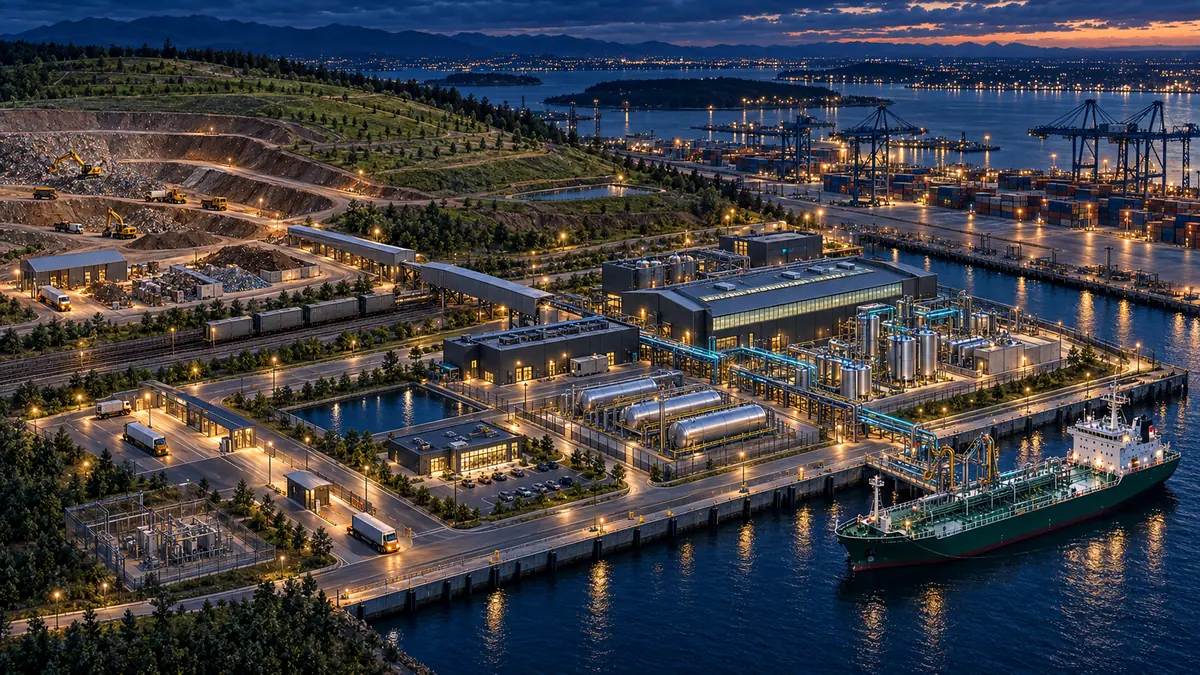
We build waste-to-methanol plants at ports on the main shipping lanes. The first is in Sri Lanka.
01 · Why now
The law requires the fuel. Supply is short.
-
Required
2025
FuelEU Maritime is in force. Ships calling at EU ports must cut the carbon in their fuel, in steps to 2050.
-
Penalized
€2,400
The fine per tonne of fuel-equivalent energy a ship falls short.
-
Short
293
Methanol-capable ships on order for delivery by 2030. Green methanol supply is far behind.
Sources: Regulation (EU) 2023/1805 (FuelEU Maritime). DNV Alternative Fuels Insight, September 2026.
Why methanol02 · How
Three things make it work.
Proven technology
A gasification core with more than twenty years of commercial operation. We integrate it, we do not invent it.
Secured feedstock
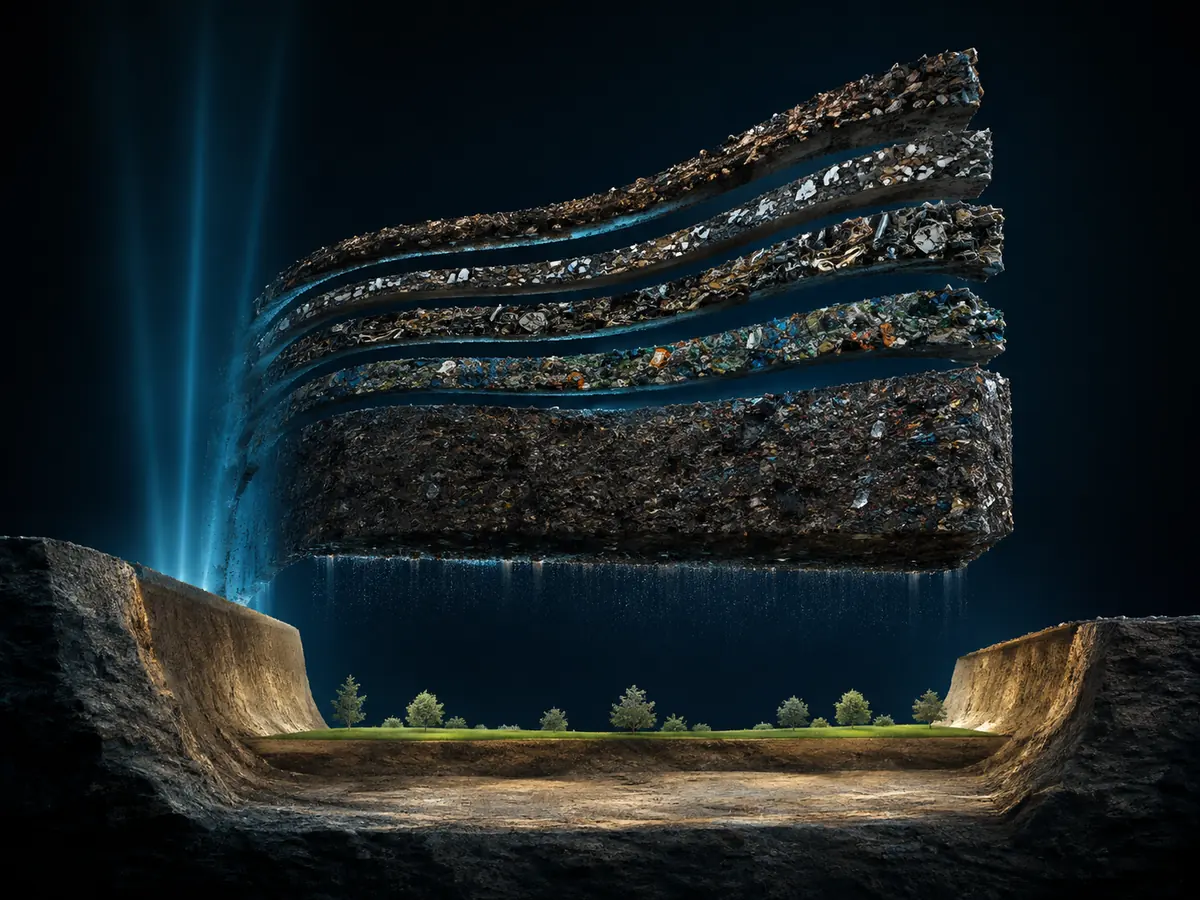
City waste every day, backed by landfill reserves that Landfill Eraser mines and stabilises.
One design, repeated
The same plant, contracts and lenders carried from port to port.
03 · Where
Three ports, one lane.
First
Sri Lanka
Hambantota, on the Asia to Europe lane.
Next
Mediterranean
At Europe’s door.
Then
Coastal U.S.
Same design, Atlantic side.
04 · Investors
Investor materials are by request.
Approved investors get the deck, the engineer’s studies and the data room.